The Front Range
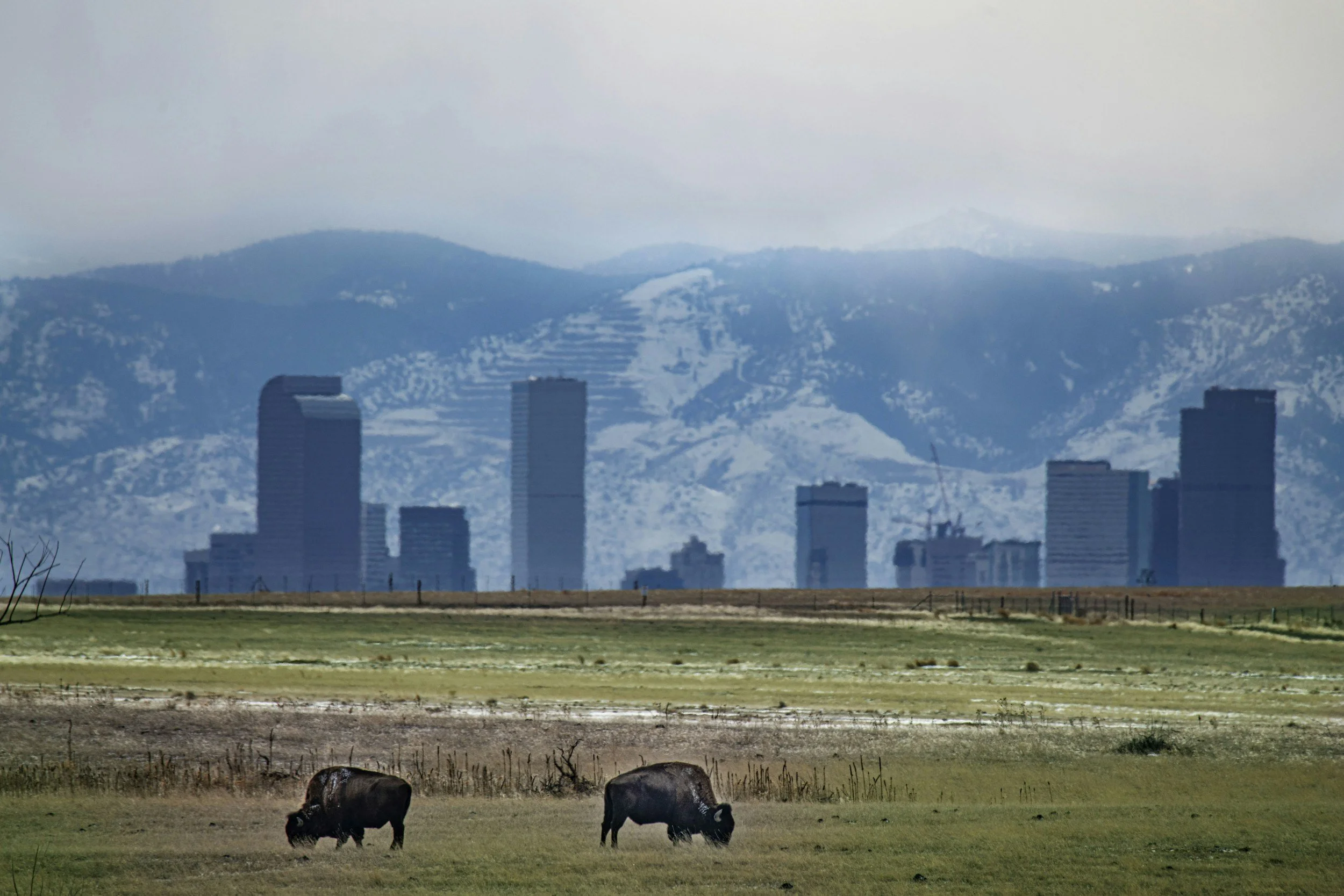
The Colorado Front Range, stretching from Fort Collins through Denver and south to Colorado Springs, lies primarily within USDA Hardiness Zones 5b to 6a. This means winter cold is a real factor, but it is only part of the story. Gardening here is shaped just as much by altitude, sunshine, wind, and dramatic temperature swings as it is by minimum winter lows.
One of the defining features of Front Range gardening is the short growing season, among the shortest in the country. Late spring frosts can linger into May, and early fall frosts often arrive by late September. Snow in April or October is not unusual. For new gardeners, this can feel limiting, but experienced Colorado gardeners learn quickly that timing, variety choice, and flexibility matter.
Despite the shorter season, the Front Range offers some remarkable advantages. Colorado enjoys over 300 days of sunshine per year, which means plants that do grow often do so vigorously. Long summer days, high light intensity, and cool nighttime temperatures can lead to excellent flavor in vegetables, strong growth in perennials, and vibrant flowering once plants are established.
Indoor gardening also plays an important role for many Front Range gardeners. Starting seeds indoors allows gardeners to get a head start on the season, while growing herbs, greens, or houseplants year round provides fresh produce and greenery even when outdoor conditions are harsh. Indoor growing can help bridge the gap created by late frosts and early cold snaps.
Colorado gardening rewards those who work with the climate instead of against it. Choosing plants rated for Zones 5 to 6 is a good starting point, but success also comes from selecting varieties bred for short seasons, using microclimates around homes and fences, improving soil, and embracing native and climate adapted plants.
-
-
Onions (from seed) — The early bird gets the bulb! Onions need the longest indoor period, so starting them now gives you a jump on strong, flavorful bulbs later.
Leeks — Slow and steady wins the harvest. These gentle growers love a head start indoors, setting you up for tender summer and fall leeks.
Celery — The slowpoke of the garden, celery takes its sweet time to germinate and grow. February is the perfect month to get them going indoors so they’re ready to shine later.
Broccoli — A cool-season superstar, broccoli loves an early indoor start. Strong transplants in February help you beat the heat and enjoy a full harvest window before summer slows things down. It’s tough enough for the Colorado Front Range, handling temperature swings with style.
Cauliflower — A delicate brassica that appreciates a little TLC. Early indoor starts give it the best shot at healthy heads, and careful hardening off plus row covers during heat spikes keeps your plants happy. Fall plantings really show off its full flavor potential.
Cabbage (including Chinese and napa varieties) — A reliable, adaptable crop that handles Colorado’s quirky temperatures better than most. Indoor starts give your cabbages a strong early boost for big, juicy heads in both spring and fall.
Brussels sprouts — These cool-season gems love a head start indoors. Early starts lead to robust plants and let you savor that sweet, post-frost flavor in the fall.
Parsnips — Patience is key. Parsnips take forever to germinate and grow, and they hate being transplanted. But deep grow bags started in February give them a strong, undisturbed start for a long, rewarding season.
Peppers — Slow starters who don’t do cold, peppers love a little indoor warmth. Starting seeds in late February under grow lights gives them a cozy boost for a head start on the season
-
Item description
-
Item description
-
Item description
-
Item description
-
Item description
-
Item description
-
Item description
-
Item description
-
Item description
-